Access and authority
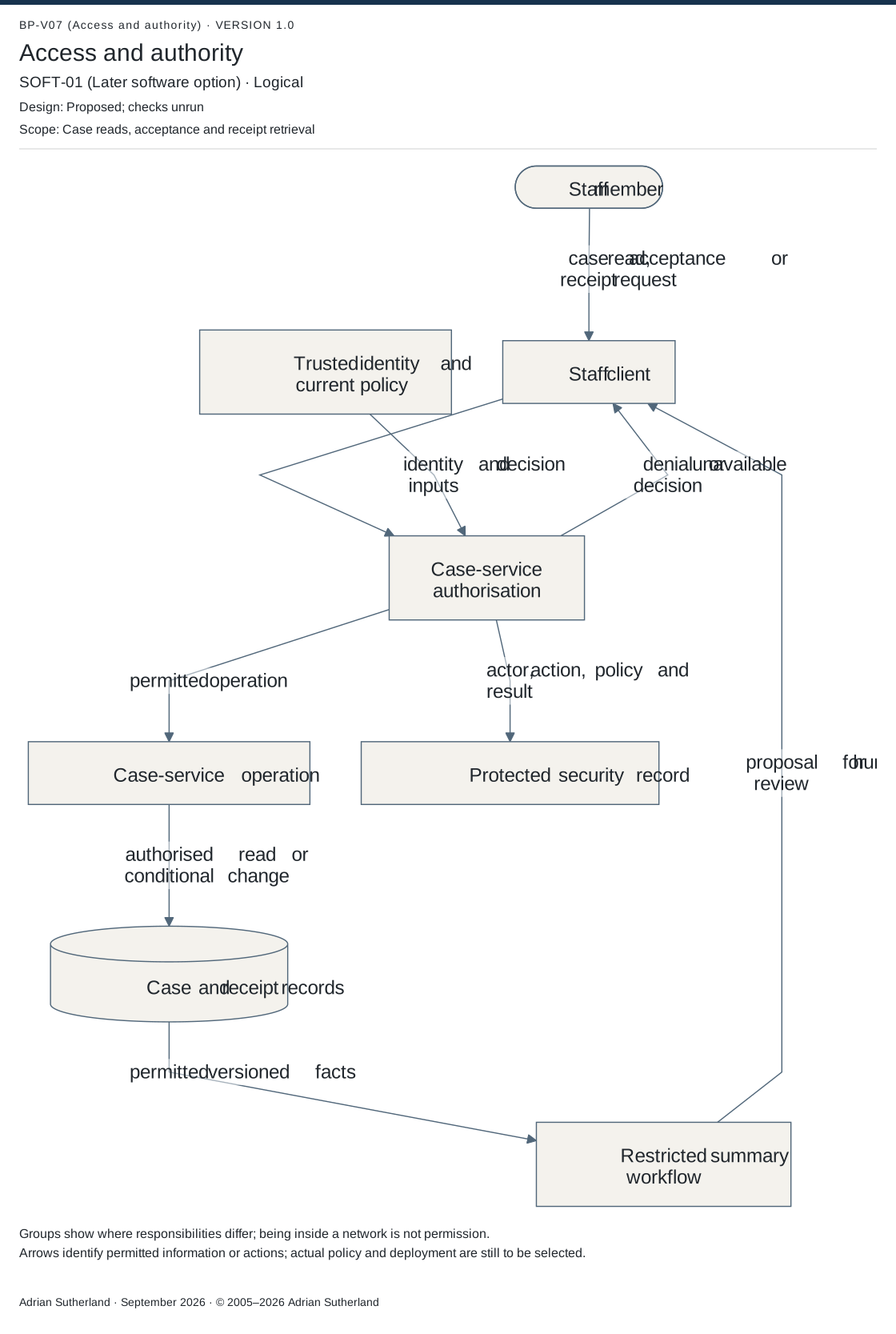
SEC-A1 (Service authorisation) places the permission decision at the service where information is read or a change takes effect. A request includes a claimed purpose and case reference; trusted identity and current policy establish what the caller may do. A network location, device or earlier successful call does not supply continuing authority. This applies the Zero Trust guidance to the service’s actual reads, transfers and receipt lookups.
A new acceptance checks the intended receiver and current case facts. A retry checks current access before returning the retained receipt. If permission has been withdrawn, the accepted business event stays recorded while that caller loses access to its protected result.
Risks and controls
| Risk | Control in the proposal | Responsible role |
|---|---|---|
| SEC-R1 (Excess disclosure) | Limit disclosure to the case and fields required; check reads and exports. | Information owner |
| SEC-R2 (Unauthorised acceptance) | Check identity, current policy, intended receiver and version when accepting work. | Service owner |
| SEC-R3 (Unsafe summary use) | Restrict summary source facts, retained content and tools; check generated text against sources. | Application owner |
| SEC-R4 (Altered records or traces) | Protect credentials, records and audit information; separate administration and prepare recovery. | Platform and service owners |
Likelihood, consequence, remaining exposure and acceptance are open decisions. The wider partner option needs separately agreed disclosure and supplier controls; it is not part of the first process-only trial.
Operation and assurance
SEC-O1 (Security operation record) links actor, action, case, policy decision and result so an authorised operator can investigate. Logs require access and retention controls and should exclude credentials and unnecessary learner content.
An incident owner coordinates containment and business communication. Recovery includes trustworthy configuration, credential replacement where needed and reconciliation of accepted work. Test denied access, revoked permissions, unavailable identity services, unwanted tool actions and damaged records. The security checks are unrun. The security example and recovery view retain the connected details.